


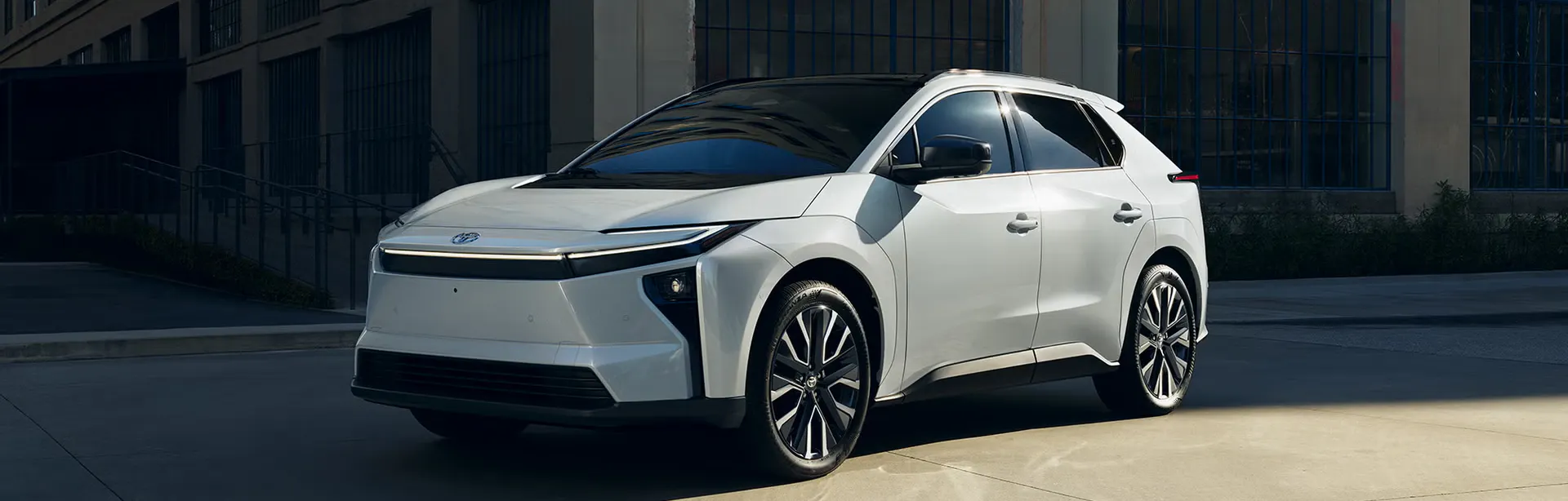
Understanding the Toyota bZ: Batteries, Motors, and Regeneration
Author: Beaver Toyota St. Augustine Team
As electric vehicles (EVs) become more prevalent in St. Augustine and its charming surroundings, many drivers are eager to understand how they work. At Beaver Toyota St. Augustine, we’re committed to helping our local community grasp the essentials of these innovative vehicles. In this guide, we’ll break down the key components of Toyota’s bZ models, including batteries, motors, and regenerative braking, all in straightforward terms that anyone can understand. Whether you’re navigating the quaint streets of historic downtown or venturing to the St. Johns County Beaches, knowing how these systems function can enhance your driving experience. Let’s dive in!
How Does a Toyota EV Battery Power Your Drive?
The battery is essential for any Toyota electric vehicle, acting as the energy source similar to a fuel tank in traditional cars. Instead of gasoline, it stores electrical energy to power your drive.
This high-voltage lithium-ion battery pack is usually positioned beneath the vehicle’s floor, contributing to a low center of gravity. This design enhances stability and handling, especially on hilly or curvy roads around St. Augustine or while navigating the scenic routes toward Atlantic Beach. When you accelerate, the battery delivers direct current (DC) electricity to the motor, providing smooth and instantaneous power. Charging is straightforward too; you can easily plug it in at home overnight or use public fast-charging stations available in places like Jacksonville and Palm Coast. Here’s why that matters: the ability to charge conveniently means you can spend more time enjoying the beautiful surroundings and less time worrying about your vehicle’s energy levels. For further insights on vehicle batteries and their performance, check out Kelley Blue Book.
What Role Does the Electric Motor Play in a Toyota EV?
The electric motor in a Toyota EV transforms electrical energy from the battery into the motion that drives the wheels. This process is straightforward and efficient, making the motor a reliable component built for long-term durability, ideal for local drivers.
When you accelerate, the inverter converts the battery’s DC power into AC power used by the motor. This AC power generates a rotating magnetic field that spins the rotor, ultimately moving the vehicle’s axles. As a result, you experience instant torque, allowing for smooth and rapid acceleration—an essential feature when merging onto I-95 or navigating through St. Augustine’s bustling downtown. The quiet operation of the motor ensures a peaceful drive, whether you’re tackling the traffic on San Marco Avenue or enjoying a leisurely cruise along the scenic Matanzas River.
How Does Regenerative Braking Work to Extend Your Range?
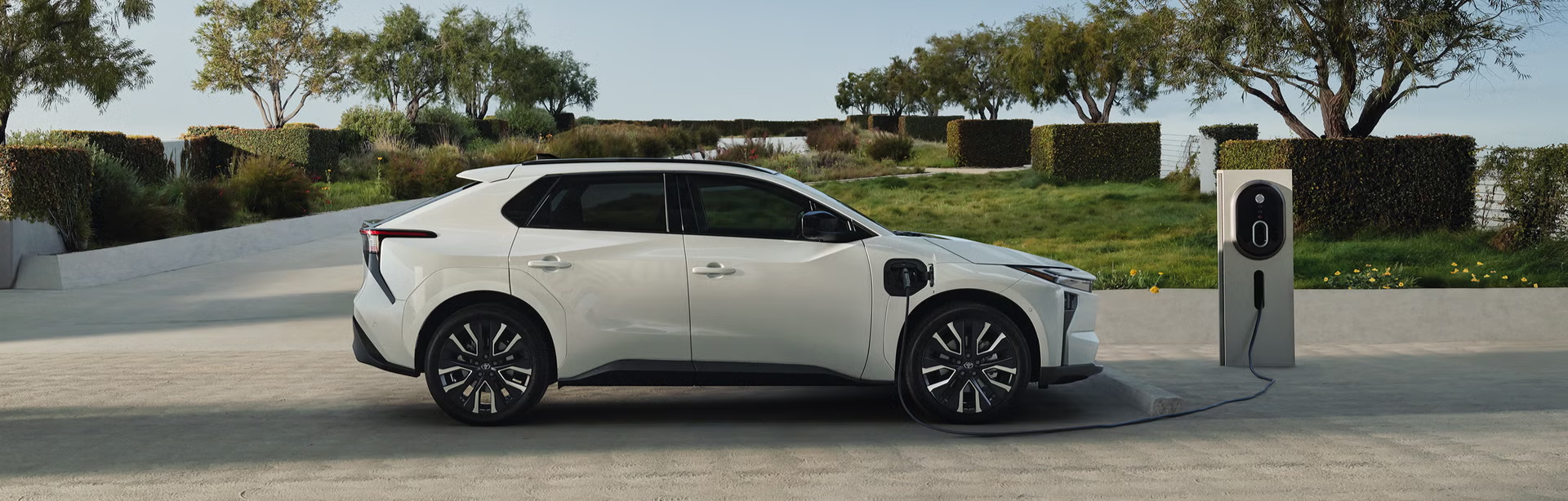
Regenerative braking is an innovative feature found in Toyota’s electric models that enhances efficiency by recapturing energy typically lost during braking. This technology effectively extends your driving range, making your commutes around St. Augustine and nearby areas like Jacksonville and Palm Coast more efficient.
Here’s how it works: when you lift your foot off the accelerator or press the brake pedal, the electric motor reverses its role. Instead of consuming power to drive the wheels, the momentum of the vehicle turns the motor, which now functions as a generator. This process generates electricity that is redirected back to the battery, providing a boost in charge. For drivers navigating the hilly roads around Ormond Beach or the stop-and-go traffic on San Marco Avenue, this can significantly enhance battery efficiency. Not only does regenerative braking extend your range, but it also lessens the wear on traditional brake components, which is especially useful during frequent stops in congested areas.
- Stronger slowdown feel: You’ll experience a noticeable deceleration when lifting off the accelerator.
- Range gains: Regular use of regenerative braking can add significant mileage to your trips.
- Brake longevity: Reduced reliance on conventional brakes means they last longer.
This is particularly advantageous for local drivers who face frequent stops and starts, allowing them to maximize every charge while enjoying the historic beauty of St. Augustine and its surroundings. Learn more about how regenerative braking can benefit your driving experience at Edmunds.
What Affects a Toyota EV’s Battery Range and Performance?
Several key factors can influence how far your Toyota EV can travel on a single charge and its overall performance. By understanding these elements, you can optimize efficiency and enjoy a worry-free driving experience as you navigate the roads of St. Augustine and nearby areas.
Driving Style: Your driving habits significantly impact battery usage. For instance, rapid acceleration and high speeds, common on busy stretches like Interstate 95, consume more energy. In contrast, a steady, moderate pace—similar to a leisurely drive through Historic Downtown—can help conserve battery power, extending your range.
Terrain: Navigating hilly areas requires more energy than driving on flat surfaces. In St. Augustine, you might experience varying terrain, from the flat roads near the Matanzas River to the gentle inclines around the Castillo de San Marcos. Fortunately, the regenerative braking in your Toyota EV can help recover energy while descending hills.
Temperature: Florida’s humid subtropical climate, with its hot summers and mild winters, can affect battery performance. Extreme heat may temporarily reduce an EV’s range, a phenomenon seen across battery-powered devices. Utilizing your Toyota’s pre-conditioning feature while plugged in can help mitigate this effect, ensuring better efficiency during your drives.
Cabin Comfort: Running the air conditioning or heater draws power from the battery, which can impact your range. Toyota EVs are equipped with efficient climate control systems designed to minimize this drain, allowing you to maintain comfort without significantly affecting your driving distance.
How Do You Maintain a Toyota EV?
Maintaining a Toyota electric vehicle is notably easier and more cost-effective than caring for a traditional gasoline car. With fewer moving parts, you’ll find there’s less to monitor and maintain.
One of the biggest advantages is that there’s no internal combustion engine, which eliminates the need for oil changes and related engine services. For your Toyota EV, focus on essential maintenance tasks like brake inspections, tire rotations, fluid and coolant checks, and general system evaluations. This straightforward upkeep helps ensure your vehicle operates smoothly, especially during your daily commutes through St. Augustine’s historic streets or when heading out to the St. Johns County Beaches.
Moreover, the battery and motor in your Toyota are built for long-term durability, requiring minimal maintenance over their lifespan. If you ever have questions or need assistance, certified technicians are available to support you, and for in-depth resources, the Consumer Reports website is a great reference for maintenance schedules and vehicle reliability.
Frequently Asked Questions (FAQs)
Where can I charge a Toyota EV around St. Augustine and nearby cities?
Charging options for Toyota EVs are expanding in St. Augustine and surrounding areas. You can find public charging stations at shopping centers, public parking lots, and along major roads like US-1 and International Golf Parkway. Installing a Level 2 charger at home is also a convenient choice for overnight charging. For more details, visit the official Toyota website.
Are Toyota EVs suitable for local weather conditions?
Yes, Toyota EVs are engineered to perform well in various weather conditions. They feature efficient climate control systems to maintain comfort during hot summers and mild winters. Additionally, their low center of gravity ensures stability on wet or slippery roads. Pre-conditioning the battery while plugged in can further enhance performance throughout the year.
How does the EV warranty cover the high-voltage battery?
The warranty for Toyota EVs includes comprehensive coverage for the high-voltage battery. Typically, it protects against defects for a significant duration and mileage, ensuring your investment is safeguarded. It’s advisable to consult the warranty documentation or a dealership for specific terms.
What is the difference between AC and DC charging for a Toyota EV?
AC (Alternating Current) charging is common for home use (Level 1 and Level 2) and many public stations. In contrast, DC (Direct Current) fast charging allows for quicker replenishment of the battery, often restoring a significant range in under an hour, primarily available on major highways for long trips. Understanding these differences can help you choose the right charging option.
What community involvement does Beaver Toyota St. Augustine participate in?
Beaver Toyota St. Augustine is dedicated to community involvement, focusing on initiatives that support local events and charitable organizations. They strive to create positive relationships within the community, enhancing the overall experience for residents and visitors alike.
How does Beaver Toyota St. Augustine ensure customer satisfaction?
Beaver Toyota St. Augustine prioritizes customer satisfaction by fostering a welcoming environment and exceeding expectations in every interaction. Their team is focused on delivering a “WOW” experience through attentive service and care, making every visit memorable for customers.

About Beaver Toyota St. Augustine
Beaver Toyota of St. Augustine is dedicated to delivering a “WOW” experience by putting people first and exceeding expectations in every interaction. Our dealership, built on a foundation of community involvement and genuine care, strives to create a positive and welcoming environment for everyone. We are committed to providing top-tier service and building lasting relationships with drivers throughout St. Augustine and the surrounding areas.
Related Articles:
St. Augustine Driver’s Guide: Choosing Your Toyota Dealership