



A Local Driver’s Guide to Toyota Service in St. Augustine
Author: Beaver Toyota of St. Augustine
For Toyota drivers in St. Augustine and our neighboring communities like Jacksonville and Palm Coast, keeping your vehicle performing at its best is essential for navigating our unique coastal lifestyle. Your car needs to handle daily commutes on US-1, weekend trips across the Bridge of Lions, and the full spectrum of weather Florida’s First Coast delivers. The decision of where you get your Toyota serviced directly influences its reliability, safety, and long-term value. With our deep roots in the community and a commitment to being a “WOW” experience, the team at Beaver Toyota of St. Augustine is uniquely qualified to explain what local drivers need, and we created this guide to help you make the best choices for your vehicle’s care.
Key Takeaways (TL; DR)
Here are the crucial points for maintaining your Toyota in the St. Augustine area:
- Local Climate Demands Specific Care: The region’s intense summer sun and humidity can tax your A/C and cooling system, while our sudden downpours and salty air require attention to tires, wipers, and undercarriage corrosion protection.
- Certified Technicians Provide Unmatched Skill: Professionals with direct and continuous training from Toyota have the specialized knowledge to service complex systems like Hybrid Synergy Drive and Toyota Safety Sense™, offering a level of precision that general auto shops cannot match.
- Genuine Toyota Parts Safeguard Your Vehicle: Using components engineered by Toyota is the only way to ensure a flawless fit, sustain peak performance, and protect your vehicle’s factory warranty.
- Proprietary Diagnostic Tools Eliminate Guesswork: Certified Toyota service centers employ exclusive tools like Toyota Techstream, which delivers a depth of diagnostic accuracy for software updates and precise repairs that generic scanners simply cannot achieve.
- A Documented Service History Enhances Resale Value: Each service visit at a certified dealership is recorded in Toyota’s national database, creating a verifiable history that supports warranty claims and can significantly boost your car’s market value.
- Trust is Built on Transparency: A premier service center prioritizes clear communication, gives you detailed estimates without pressure, and explains all necessary work to build a lasting relationship with you.
- Convenience is Key for Your Busy Life: Seek out amenities that accommodate a local lifestyle, such as loaner vehicles, shuttle services, and easy online scheduling, to minimize interruptions to your daily routine.
Why Should You Choose a Certified Toyota Service Center?
Opting for a certified Toyota service center provides significant advantages that directly impact your vehicle’s safety, performance, and overall worth. For drivers commuting from Palatka or planning a scenic drive down the A1A, these benefits offer both tangible results and invaluable peace of mind. A certified facility is much more than a repair garage; it is a dedicated partner committed to upholding the durability and quality your Toyota is known for.
What Makes Toyota-Trained Technicians Different?
Toyota-trained technicians bring a level of expertise that most independent auto repair shops cannot match. They undergo rigorous, ongoing training directly from the manufacturer, covering every model from the adventurous 2026 RAV4 to the efficient 2026 Camry.
- Specialized Knowledge: These professionals are true experts in Toyota’s proprietary systems. This includes the advanced Hybrid Synergy Drive in models like the Prius and the integrated safety features within Toyota Safety Sense™ (TSS). This focused training is critical for accurate diagnostics and repairs that a generalist mechanic might misdiagnose.
- Current Training: Technicians remain up-to-date on the latest Technical Service Bulletins (TSBs) and evolving repair methodologies. This ensures your vehicle receives the most effective care, such as the precise recalibration of a Lane Departure Alert system after a windshield replacement—a task that requires specific factory training and tools.
Does Using Genuine Toyota Parts Really Make a Difference?
Yes, the difference is substantial. Choosing Original Equipment Manufacturer (OEM) parts is one of the most important decisions you can make to protect your investment.
- Guaranteed Compatibility: Genuine Toyota parts are manufactured to the exact specifications of your vehicle, guaranteeing a perfect fit and optimal performance. Aftermarket parts often have slight variations that can lead to premature wear, decreased fuel economy, or even major system failures.
- Warranty Protection: Your vehicle’s factory warranty is protected when you use genuine parts installed at a certified center. The installation of many third-party components could potentially void parts of your warranty, leaving you financially responsible for related repairs.
- Superior Quality: Each OEM part is a reflection of Toyota’s commitment to quality and is backed by its own 12-month warranty. This provides an additional layer of security that you do not typically receive with aftermarket alternatives.
How Does a Certified Center Protect Your Vehicle’s Resale Value?
Beyond addressing immediate repair needs, a certified service center is instrumental in preserving the long-term value of your Toyota.
- Verifiable Service Records: Every appointment is officially logged in Toyota’s national service database. This creates a complete and accessible maintenance history, a powerful selling point that can significantly increase your vehicle’s resale value, a factor often highlighted by valuation experts like Kelley Blue Book® (KBB).
- ToyotaCare Compliance: For new Toyota owners, having maintenance performed at a certified center fulfills all the requirements of your complimentary ToyotaCare plan. This program covers routine services and includes 24-hour roadside assistance, giving you extra confidence on the road.
How Does Certified Service Compare to Independent Garages in St. Augustine?
When your Toyota requires maintenance, you face a choice: a certified dealership service center or a local independent mechanic. While many independent shops in areas like Ormond Beach or along the SR 16 corridor offer good service, a significant gap often exists in technology, specialized training, and warranty adherence. The advanced engineering in today’s Toyota vehicles demands a level of specialization that only a certified center can consistently deliver.
What Does “Toyota-Certified” Actually Guarantee?
A service department that is Toyota-certified has been officially recognized by Toyota Motor North America. This is more than a marketing term; it is a promise that the facility meets strict standards in several critical areas.
- Factory-Mandated Training: Technicians must complete and maintain certification in Toyota-specific programs covering gasoline engines, hybrid powertrains, and all-electric systems. Their education is continuous, keeping them current with new models and emerging technologies.
- Required Use of OEM Parts: The center is contractually obligated to use Genuine Toyota parts for all warranty-related work and is strongly encouraged to use them for every service to uphold the vehicle’s integrity.
- Exclusive Diagnostic Technology: Certified centers are equipped with Toyota’s proprietary Techstream diagnostic software. This powerful tool communicates with your vehicle’s onboard computers on a much deeper level than generic OBD-II scanners, allowing for precise troubleshooting, software updates, and system calibrations.
- Warranty and Recall Adherence: All work is performed to exact factory specifications, ensuring compliance with factory warranties and any extended protection plans. These centers are also the only facilities authorized to perform safety recall repairs at no cost to you.
- Monitored Customer Satisfaction: Dealerships are required to maintain high Customer Satisfaction Index (CSI) scores, which are closely tracked by Toyota. This system holds them accountable for the quality of their technical work and their customer service.
Comparison: Certified Toyota Service vs. Independent Repair Shops
| Service Criterion | Certified Toyota Dealership | Independent Mechanic |
|---|---|---|
| Technician Training | Factory-Certified: Continuously updated on all Toyota models, including hybrid and EV systems. | General Experience: May not have the model-specific training for complex Toyota systems. |
| Parts Used | Genuine Toyota OEM Parts: These include a manufacturer warranty and guarantee a perfect fit. | Aftermarket or Used Parts: Quality can vary, and they may not perform to factory standards. |
| Warranty Protection | Full Compliance: All work is fully compliant with Toyota warranty and maintenance plans. | Risk of Voiding Warranty: Using incorrect parts or procedures can potentially void your warranty. |
| Technology Access | Exclusive Access: Utilizes the Toyota Techstream diagnostic suite for deep-level analysis. | Limited to Generic Scanners: These cannot read all Toyota-specific codes or perform necessary software updates. |
| Recall/TSB Updates | Automatic Checks: Automatically checks for and performs open recalls and service bulletins. | No Access to System: Lacks access to Toyota’s internal recall system, meaning important updates can be missed. |
| Service Records | National Database: Logs all maintenance in Toyota’s official national database for a complete vehicle history. | Internal Records Only: Records are kept locally and are not part of a centralized, verifiable vehicle history. |
Your Toyota’s complex systems, from the all-wheel drive that provides confidence on a rain-slicked commute over the Shands Bridge to the hybrid powertrain that saves you gas money, depend on this level of precision. For St. Augustine drivers, whose vehicles must perform reliably through humid summer days and sudden tropical storms, this distinction is crucial.
How Does the St. Augustine Climate Affect Toyota Service Needs?
Living in the St. Augustine area means your Toyota is exposed to a demanding coastal climate. From the intense summer sun that can push your A/C system to its limits to the salty air and sudden downpours, these environmental factors place specific stresses on your vehicle. A local Toyota service center understands these challenges and can offer proactive maintenance to keep your car running smoothly year-round.
How Does Summer Heat and Humidity Impact Your Toyota?
St. Augustine summers present their own set of challenges with intense heat and high humidity, especially for commuters in stop-and-go traffic on SR 312 or those heading to Vilano Beach.
- Engine Cooling System: Your engine has to work much harder to stay cool in hot weather. A service check should include inspecting coolant levels, hoses, and the radiator to prevent overheating, especially in heavy traffic.
- Air Conditioning Performance: A powerful A/C system is an absolute necessity here. A certified technician can check refrigerant levels and inspect the compressor and condenser to ensure it’s ready for the most humid days of August.
- Tire Pressure Management: Hot asphalt can cause the air inside your tires to expand, raising pressure and increasing the risk of a blowout. It is important to check your tire pressure regularly during summer, as it can fluctuate significantly.
- Pollen and Air Filters: The region’s high pollen counts can quickly clog your cabin and engine air filters. Replacing them ensures you breathe cleaner air inside the car and that your engine gets the airflow it needs for optimal efficiency.
What Are Key Rainy Season & Coastal Service Considerations?
Our rainy season and proximity to the coast bring unique maintenance needs. Navigating a flooded street in historic downtown or driving through salty air requires special attention.
- Tire Tread and Performance: Heavy rainfall is common. Adequate tire tread is essential for preventing hydroplaning on major routes like I-95. A local service advisor can check your tread depth and ensure your tires are properly inflated for optimal water displacement.
- Wiper Blade and Windshield Condition: Clear visibility during a sudden downpour is a top safety priority. Replacing worn wiper blades and treating the windshield with a water-repellent coating can make a huge difference.
- Brake System Health: Driving through standing water can affect brake performance. Regular brake inspections ensure your pads, rotors, and calipers are in good working order and free of corrosion.
- Undercarriage Protection: Salt from the ocean air is highly corrosive and can cause rust on your vehicle’s underbody. A thorough inspection and an undercoating service can protect vital components like brake lines, the fuel tank, and the exhaust system from long-term damage.
A service center familiar with these local conditions can provide customized advice and preventative maintenance that a generic shop might overlook, ensuring your Toyota is prepared for anything a Florida season can deliver.
What Are the Signs of a Dependable Toyota Service Department?
Finding a trustworthy Toyota service department involves looking beyond the certified logo. A truly reliable center demonstrates its commitment to quality through transparent practices, clear communication, and a focus on customer satisfaction. For drivers in St. Augustine, Jacksonville, and the surrounding areas, finding a service partner you can trust means less stress and more confidence on the road.
How Can You Spot a Reputable Service Center?
- Strong Community Reputation: Look for consistently high ratings on platforms like Google. Pay close attention to reviews from local customers that mention honesty, effective communication, and successful problem-solving.
- Visible Technician Credentials: A top-tier service center proudly displays its technicians’ certifications. Ask if they have Toyota Master Diagnostic Technicians or Hybrid Certified Technicians on staff. These credentials represent the highest level of factory training.
- Transparent and Upfront Pricing: Before any work begins, you should receive a clear, itemized estimate. The quote should detail the costs of parts, labor, and any fees, with no hidden charges.
- Modern Amenities and Convenience: A customer-focused dealership understands that your time is valuable. Look for conveniences like complimentary loaner vehicles for major services, a shuttle service, easy online scheduling, and text message updates on your service progress.
- Digital Service History: A reputable center ensures your service is logged into Toyota’s national database. This is critical for protecting your warranty and maximizing your vehicle’s resale value.
What Service Red Flags Should You Watch For?
Conversely, several warning signs should make you reconsider your choice of service center:
- Vague or Unclear Estimates: Be wary of quotes that provide only a single lump-sum cost without a detailed breakdown of parts and labor.
- High-Pressure Upselling: Service advisors should explain recommended maintenance based on diagnostics or your vehicle’s mileage schedule, not aggressively pressure you into buying services you may not need.
- Lack of Proper Documentation: Always insist on a detailed invoice that lists all work performed and the specific parts used. A failure to provide this is a major red flag.
- Poor Communication: If you find yourself constantly chasing down updates or feel your questions are being dismissed, it is a strong indicator of poor customer service that could reflect the quality of the technical work.
A Toyota dealership that values long-term relationships will always prioritize education and integrity over a quick, transactional sale.
What Services Define a Premier Toyota Department?

A premier Toyota service department provides a comprehensive suite of services designed to address every aspect of your vehicle’s health. These centers are equipped with the specialized expertise and advanced tools needed to care for the entire Toyota lineup. This all-encompassing approach ensures your vehicle operates safely, efficiently, and in strict alignment with Toyota’s demanding standards.
Here are the essential services you should expect:
- Routine Factory-Scheduled Maintenance: This forms the foundation of vehicle longevity. It includes oil and filter changes, tire rotations, brake inspections, and multi-point inspections performed at the intervals specified in your owner’s manual.
- Major Mechanical Repairs: A capable service center must handle significant repairs, such as engine diagnostics, transmission service, and suspension work, using genuine Toyota parts and specialized factory equipment.
- ToyotaCare and Extended Plan Services: The center must be authorized to perform and document all services covered under the ToyotaCare complimentary maintenance plan and other extended warranty or prepaid maintenance agreements.
- Hybrid and EV System Servicing: Given Toyota’s leadership in electrification, specialized service for models like the 2026 Prius, 2026 RAV4 Hybrid, and 2026 bZ4X is essential. This includes high-voltage battery diagnostics, inverter maintenance, and electric motor service.
- Advanced Diagnostic Services: Using Toyota Techstream, the team can accurately pinpoint issues within complex electronic systems. This includes calibrating **Toyota Safety Sense™** features like the Pre-Collision System and Dynamic Radar Cruise Control.
- Comprehensive Tire Services: Beyond selling tires, a full-service center should offer mounting, high-speed balancing, rotations, and precise four-wheel alignments. As noted by experts at Edmunds, proper alignment is critical for vehicle handling and tire longevity.
- Brake System Maintenance: This includes in-depth inspections, brake pad and rotor replacement using OEM parts, and brake fluid flushes—all critical for your safety.
- Battery Testing and Replacement: The center should offer professional testing, replacement, and recycling services for both conventional 12-volt batteries and the high-voltage batteries in hybrid and electric models.
- Climate Control Services: Expert diagnosis and repair of heating and air conditioning systems are crucial for comfort during Florida’s demanding seasons.
- Recall and TSB Management: Certified centers automatically check for and perform any open safety recalls or Technical Service Bulletins (TSBs) from Toyota every time your vehicle is brought in for service.
What Questions Should You Ask a Toyota Service Manager?
Before you entrust your vehicle to a service department, it is wise to ask a few direct questions. The service manager’s response will reveal a great deal about their department’s commitment to quality and customer care. Taking a few moments for this conversation can help you select a long-term service partner.
- Are Your Technicians Toyota-Certified? Specifically inquire if they have Master Technicians or Hybrid-Certified Technicians. This confirms the person working on your car has achieved the highest level of factory training.
- Do You Exclusively Use Genuine Toyota Parts? Confirm the center’s policy is to use OEM parts for all repairs. This is a crucial question for protecting your warranty and ensuring reliability.
- Is This Service Covered Under ToyotaCare or My Extended Warranty? If your vehicle is still under a factory or extended plan, always double-check if a recommended service is covered to avoid paying out-of-pocket unnecessarily.
- What Diagnostic Tools Do You Use? A confident “We use Toyota Techstream” is the answer you should expect. This verifies they have the proprietary software required for accurate diagnostics.
- Will I Receive a Written Estimate Before You Begin Work? A trustworthy service center will always provide a detailed, itemized quote for your approval before starting any repair work.
- What is the Estimated Service Time, and Do You Offer Loaners or a Shuttle? Understanding the timeline helps you plan your day. Access to a loaner car or shuttle service is a major convenience.
- Will This Service Be Logged in My Vehicle’s National History? Ensure the repair will be officially recorded in Toyota’s centralized system. A complete service history is a valuable asset that enhances resale value, a fact often highlighted by Consumer Reports.
- What Warranty Do You Offer on Your Parts and Labor? Reputable centers back their work. Inquire about the warranty provided on both the parts installed and the labor performed for added peace of mind.
Asking these questions shows you are an informed vehicle owner and helps build a relationship founded on transparency and trust from your first visit.
Frequently Asked Questions (FAQs)
Why is certified Toyota service important for St. Augustine drivers?
Certified service is crucial because technicians receive specific training to handle the complex systems in modern Toyotas. For local drivers, this means your vehicle’s advanced systems are prepared for I-95 traffic, your air conditioning is ready for our humid summers, and your Toyota Safety Sense™ is calibrated correctly for navigating our busy local roads.
How often should my Toyota be serviced in this area?
While your owner’s manual provides a baseline schedule, our coastal climate may call for more frequent checks. It is best to follow Toyota’s recommended intervals (typically every 5,000 to 10,000 miles) but also have your tires, wipers, and fluids inspected before the summer heat and rainy season begin.
Can I really save money using aftermarket parts on my Toyota?
Although aftermarket parts might seem cheaper initially, they can lead to more expensive problems down the road. Genuine Toyota OEM parts are engineered specifically for your vehicle to guarantee proper fit, performance, and reliability, and they are essential for keeping your factory warranty valid.
How can I check if there is a recall on my Toyota?
You can find out about any open recalls by entering your Vehicle Identification Number (VIN) on the official Toyota recall website or the National Highway Traffic Safety Administration (NHTSA) website. A certified Toyota service center will also check for recalls automatically every time you bring your vehicle in for service.
About Beaver Toyota of St. Augustine
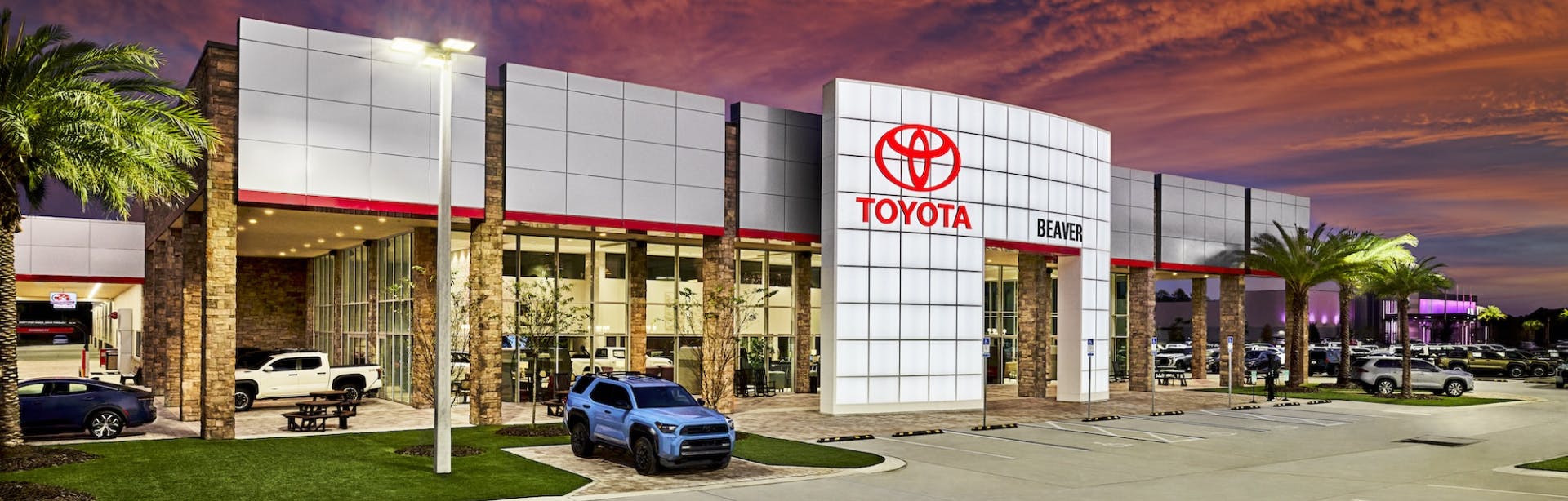
Beaver Toyota of St. Augustine is dedicated to serving the First Coast community with a focus on creating an exceptional and customer-centric experience. The dealership is known for its “WOW” philosophy, striving to exceed expectations in every interaction and build lasting relationships with its customers. As a proud community partner, Beaver Toyota is committed to providing outstanding service, transparent dealings, and a welcoming environment for every driver.
Related Articles:
St. Augustine Driver’s Guide: Choosing Your Toyota Dealership